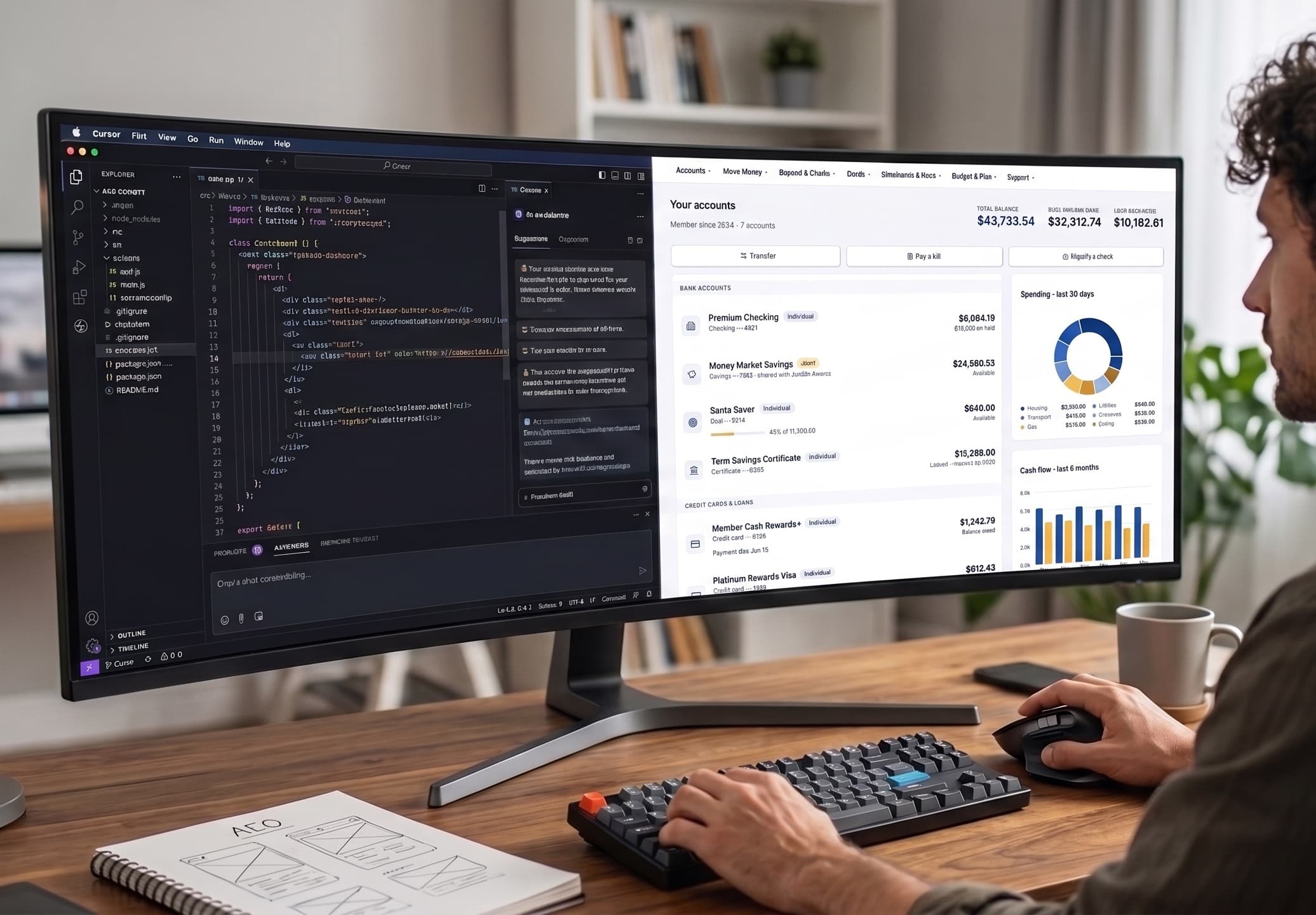
Why I Design in Code
Designing in code eliminates the handoff between mockups and engineering, turning the design phase into the foundation of a production-ready app.
Web DesignJune 4, 2026
Read moreAll posts from this site.
Designing in code eliminates the handoff between mockups and engineering, turning the design phase into the foundation of a production-ready app.
AI-native is the new baseline, but the assets that hold value haven't changed much: proprietary data, IP, and loyal users. Code, however, is depreciating fast.
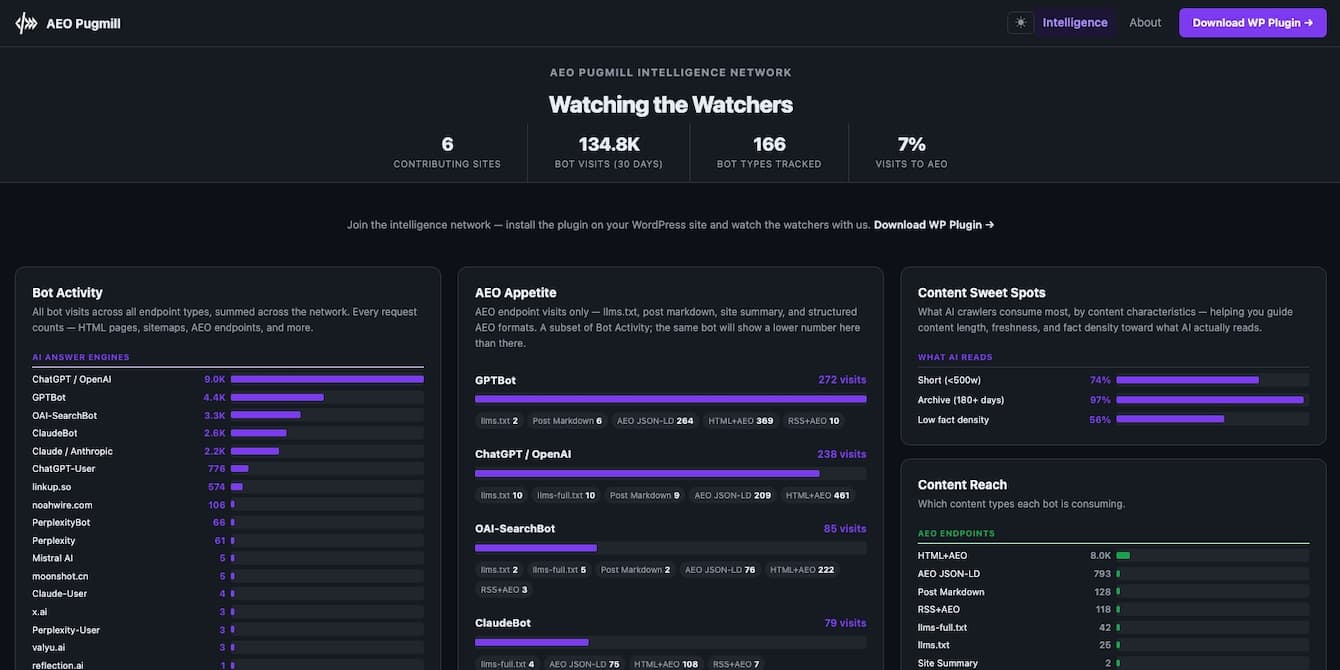
Pugmill is an open source CMS I built on Next.js 15, PostgreSQL, and TypeScript, with native answer engine optimization and an MCP server plugin.
Shadow-AI grows when sanctioned channels are harder than personal workarounds. Six tactics for matching ease-of-use while keeping governance intact.
Adding user profiles or sensitive features to an MVP can trigger HIPAA, GLBA, FERPA, or COPPA oversight, reshaping cloud architecture requirements before launch.
Read moreA three part startup that provides advanced AI-native publishing features, answer engine optimization, and builds a unique dataset.
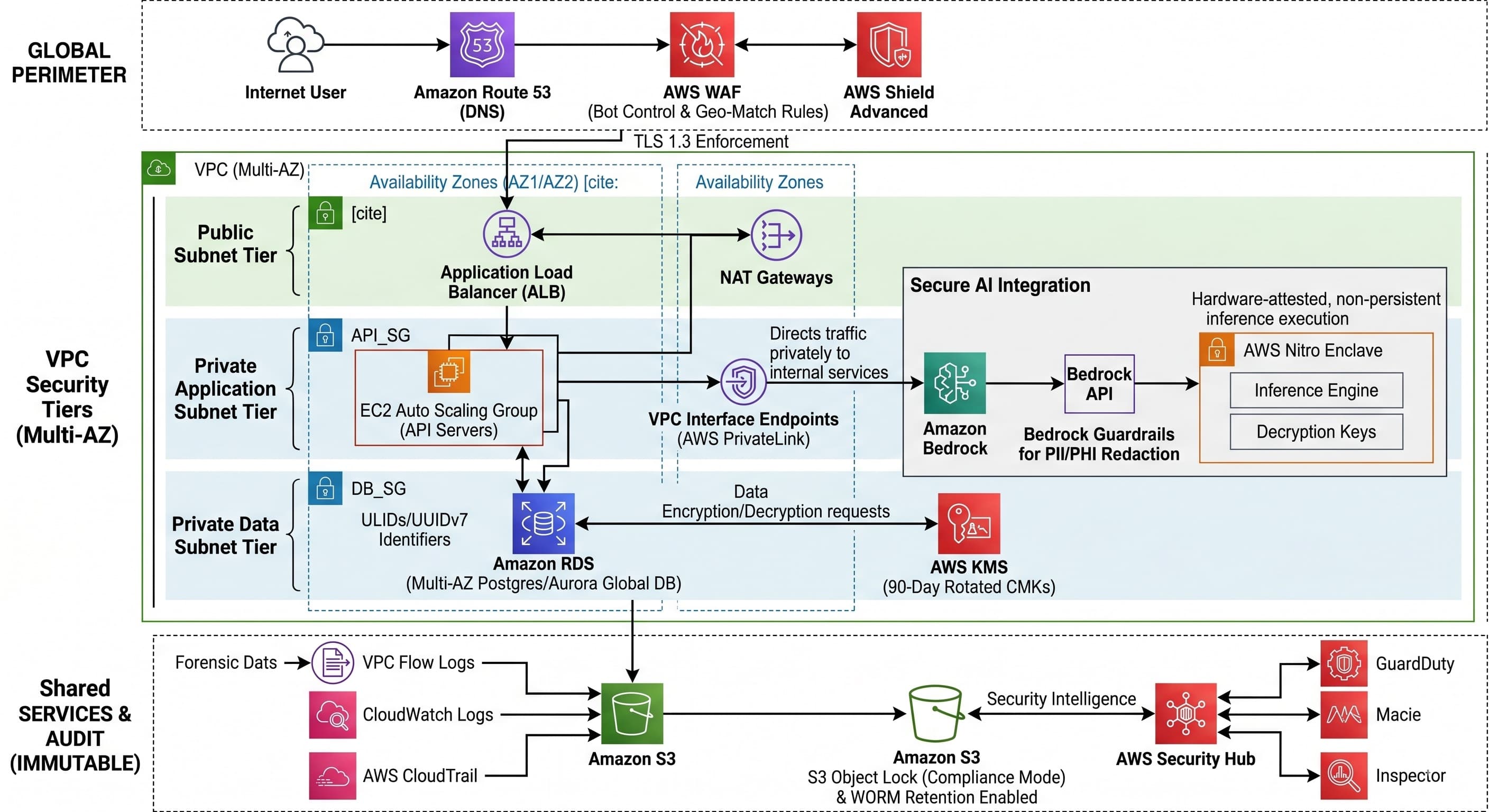
Mapping HIPAA and GLBA requirements to AWS services, from WAF perimeters and VPC segmentation to KMS rotation, Bedrock Guardrails, and S3 Object Lock audit trails.
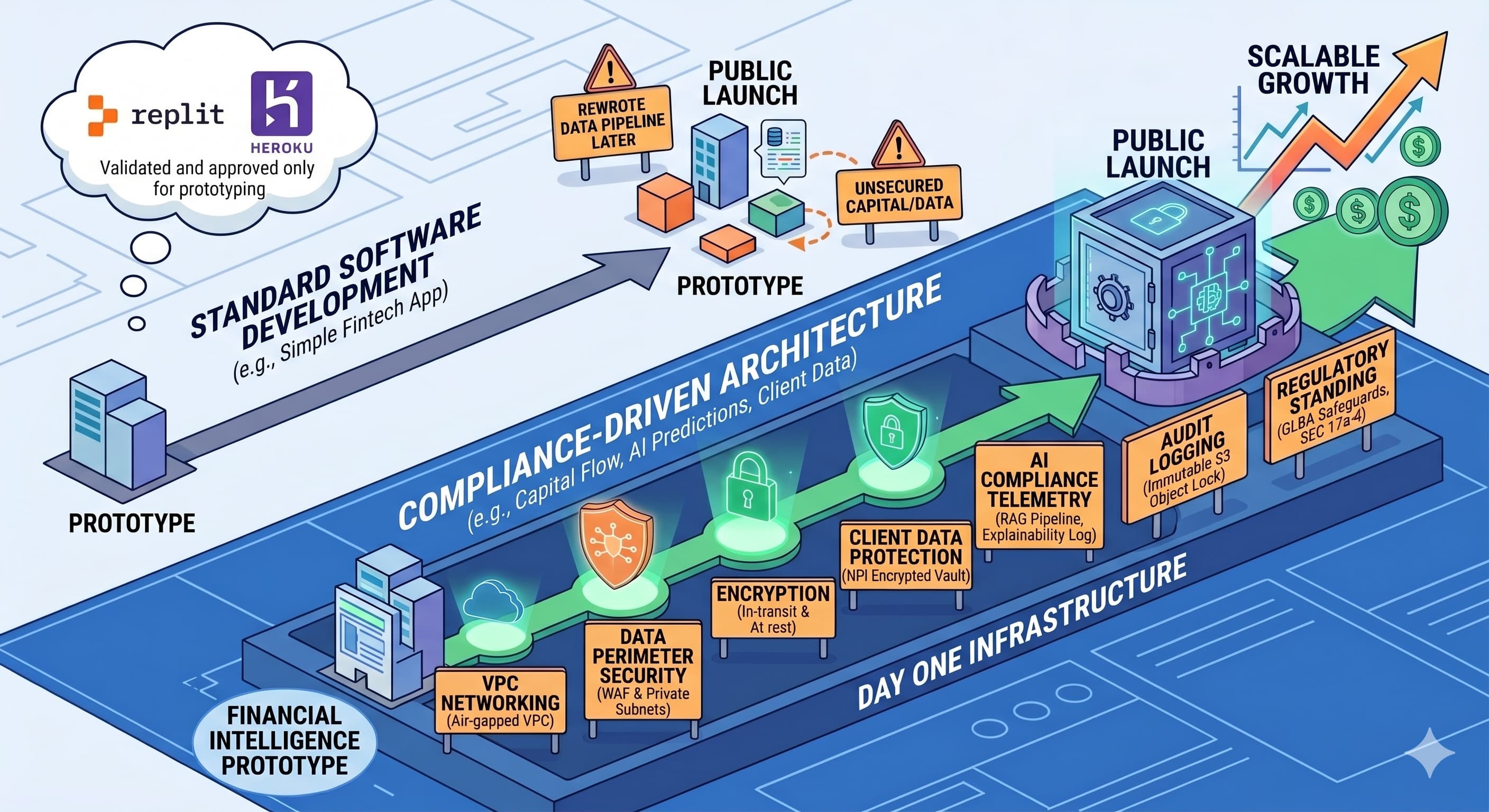
Building AI-driven FinTech requires GLBA-compliant architecture from day one. Here's how to structure cloud infrastructure that satisfies SEC oversight without rewriting later.
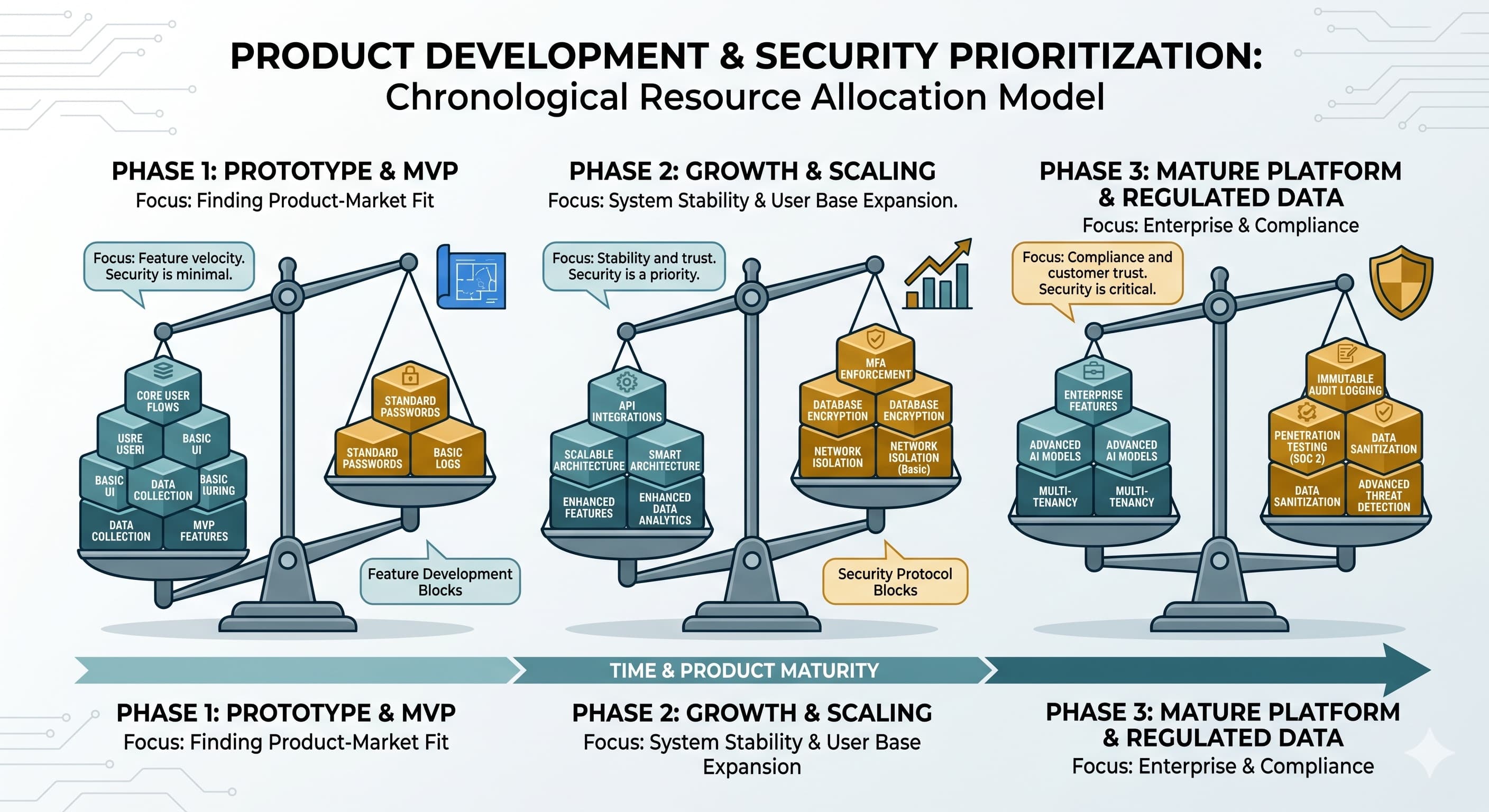
Allocating engineering hours between features and security depends on what data the system handles. Mapping defenses to project milestones aligns spending with actual threats.
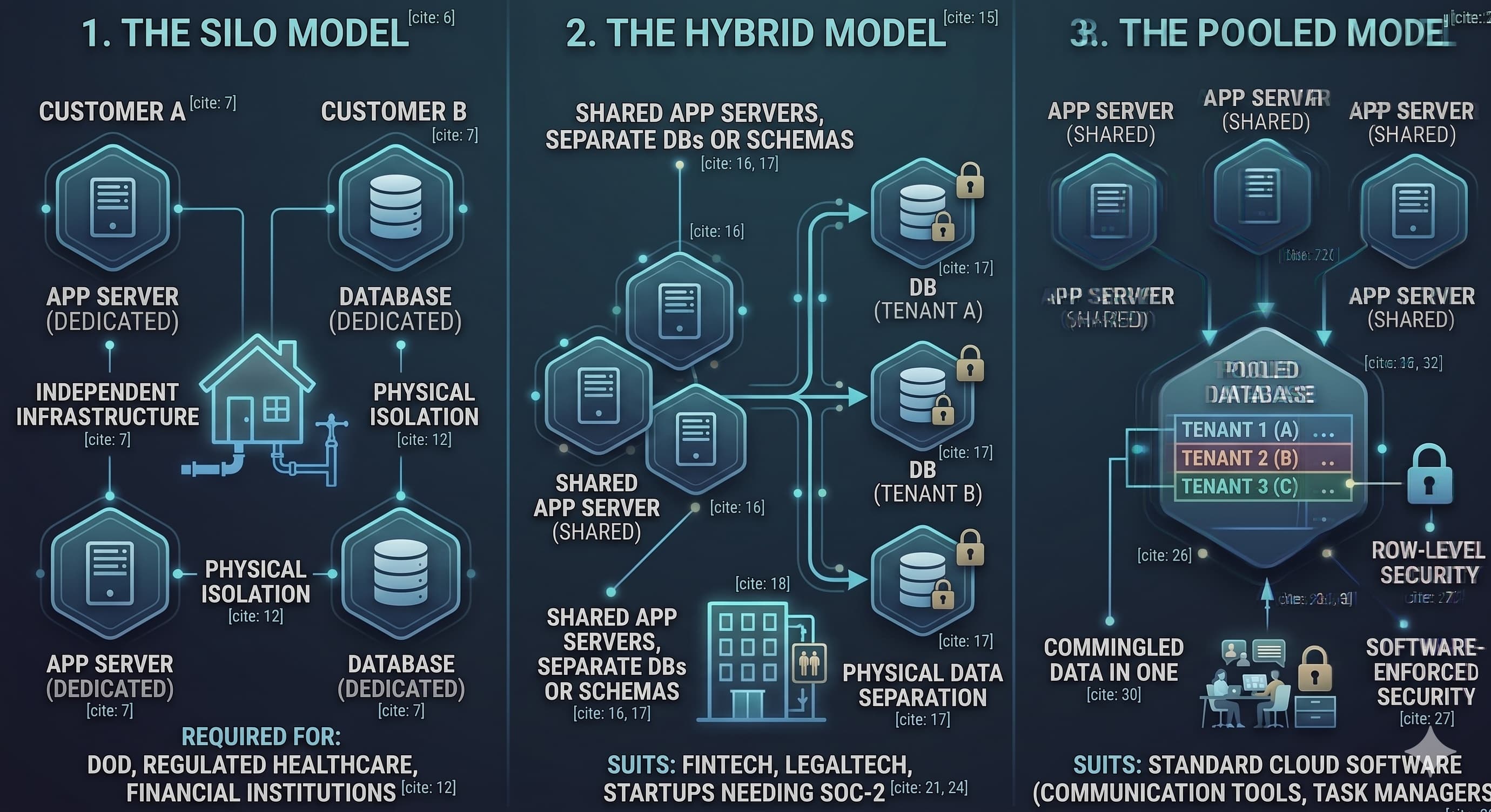
Multi-tenancy decisions shape margins, engineering velocity, and audit outcomes. Comparing silo, hybrid, and pooled models to match architecture with customer requirements.